
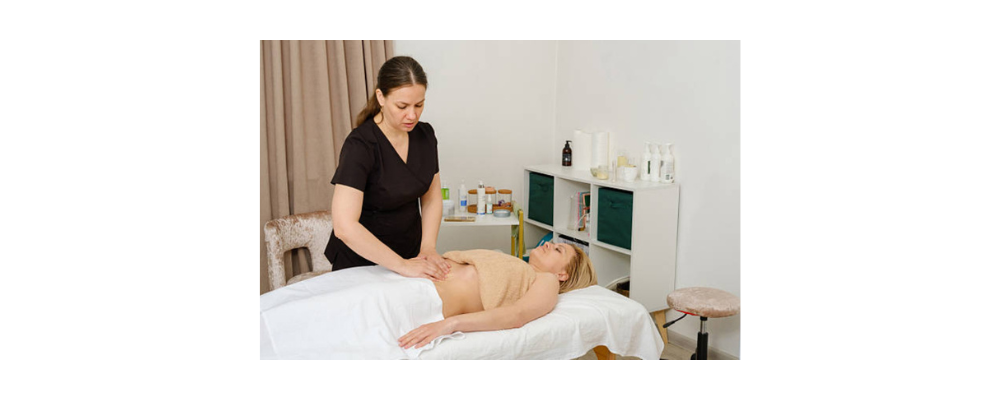
Recovering from surgery involves more than simply resting and waiting for the body to heal. The post-operative phase plays a significant role in determining how comfortable the recovery process will be and how quickly normal activities can be resumed. As awareness of recovery-focused wellness continues to increase, more individuals are exploring supportive therapies that can complement their aftercare plans.
Among these options, lymphatic drainage massage has become increasingly recognized for its role in post-surgical recovery. Across Dubai, patients undergoing cosmetic and medical procedures are paying closer attention to recovery strategies that help manage swelling, support circulation, and encourage the body’s natural healing processes.
With Dubai’s growing reputation as a destination for advanced healthcare, aesthetic treatments, and wellness services, it is no surprise that post-operative recovery therapies are receiving greater attention from both patients and practitioners.
Understanding Recovery After Surgery
Every surgical procedure places stress on the body. Whether a person undergoes liposuction, tummy tuck surgery, body contouring, breast procedures, or another form of cosmetic treatment, the body responds by initiating its natural healing process.
During this phase, patients may experience:
- Swelling
- Bruising
- Fluid retention
- Tenderness
- Tightness in treated areas
- Temporary discomfort
These responses are normal and are part of the body’s attempt to repair affected tissues. However, the recovery process can often be improved through proper aftercare and professional guidance.
This is one of the reasons why many patients in Dubai are looking beyond traditional recovery methods and incorporating specialized wellness treatments into their healing journey.
The Role of the Lymphatic System
The lymphatic system is an essential part of the body’s overall health. It helps transport lymph fluid throughout the body while supporting waste removal and immune function.
Unlike blood circulation, which is powered by the heart, lymphatic flow relies on movement, muscle activity, and various physiological processes to function efficiently.
After surgery, the body often produces excess fluid in response to tissue trauma. This can place additional demands on the lymphatic system, leading to swelling and fluid accumulation in affected areas.
Supporting healthy lymphatic function during recovery has become an important focus for many patients seeking a smoother healing experience.
Why Swelling Management Matters
Swelling is one of the most common concerns following surgery. While it is a natural part of healing, excessive swelling can contribute to discomfort and may temporarily affect mobility.
Many recovery specialists use lymphatic drainage massage as part of a comprehensive post-operative care plan because the technique is designed to encourage the movement of excess fluid through the lymphatic system.
As swelling gradually decreases, patients often report feeling more comfortable and notice improvements in flexibility and movement.
In a wellness-conscious city like Dubai, where individuals often seek efficient recovery solutions, managing post-operative swelling has become a major priority.
Supporting Recovery After Liposuction
Liposuction remains one of the most popular cosmetic procedures performed worldwide, including in Dubai. While the procedure can help reshape specific areas of the body, the recovery period is crucial for achieving the best possible outcome.
Following liposuction, swelling and fluid retention are common. Many recovery professionals recommend multiple lymphatic drainage massage sessions every week during the early stages of recovery to support the body’s healing process.
A single session is often not enough because the body continues producing and processing fluids throughout the recovery period. Regular sessions may help encourage healthy lymphatic flow, assist with fluid movement, and support overall comfort as the body heals.
The exact treatment schedule varies depending on the individual and the recommendations of their healthcare provider, but consistent sessions are often considered an important component of post-liposuction care.
Encouraging Better Circulation
Healthy circulation plays a vital role in recovery after surgery. Healing tissues require oxygen and nutrients to repair themselves efficiently.
Gentle lymphatic drainage techniques may help stimulate circulation without placing excessive pressure on sensitive post-operative areas. Improved circulation supports the body’s natural processes and contributes to overall recovery.
This focus on wellness and healing is one reason why many residents and visitors in Dubai seek professional recovery services following surgical procedures.
Improving Comfort During the Healing Process
Recovering from surgery can sometimes be physically and emotionally challenging. Feelings of tightness, heaviness, and temporary discomfort are common during the early stages of healing.
Many patients appreciate the relaxing nature of lymphatic drainage massage in Dubai. The gentle techniques are specifically designed to work with the body’s natural systems rather than applying intense pressure to healing tissues.
As a result, many individuals find these sessions to be a valuable addition to their recovery routine.
The Growing Wellness Culture in Dubai
Dubai has developed into a global hub for healthcare, aesthetics, and wellness. The city attracts individuals seeking advanced treatments and high-quality recovery services.
As awareness of post-operative care continues to grow, more patients are understanding that successful outcomes depend not only on the procedure itself but also on the quality of aftercare received afterward.
This shift in mindset has contributed to increased interest in recovery-focused services across Dubai. Patients are becoming more proactive about supporting their healing process and seeking professional guidance during recovery.
The growing wellness culture throughout Dubai has helped make lymphatic drainage massage a recognized component of many post-surgical care plans.
Why Professional Guidance Is Important
While recovery support therapies can offer benefits, they should always be approached responsibly. Patients should follow their surgeon’s recommendations and work with qualified professionals who understand post-operative recovery requirements.
Every procedure and every patient is different. Recovery timelines, treatment frequency, and overall care plans should be tailored to individual needs.
Professional guidance helps ensure that recovery therapies are integrated safely and appropriately into a broader healing strategy.
Additional Recovery Tips for Surgical Patients
In addition to professional recovery treatments, patients can support healing by following healthy recovery practices:
- Stay properly hydrated.
- Wear compression garments if recommended by your surgeon.
- Attend all follow-up appointments.
- Get adequate rest.
- Follow post-operative instructions carefully.
- Eat a balanced diet rich in nutrients.
- Engage in light movement as advised by your healthcare provider.
- Avoid strenuous activities until medically cleared.
These habits can work alongside recovery-focused therapies to promote a smoother healing experience.
Final Thoughts
The increasing popularity of lymphatic drainage massage among post-surgical patients reflects a broader shift toward comprehensive recovery care. Rather than focusing solely on the procedure itself, many individuals now recognize the importance of supporting the body’s healing process through proper aftercare.
In Dubai, where wellness, healthcare, and aesthetic services continue to evolve, recovery-focused treatments are becoming an important part of the patient experience. By helping manage swelling, supporting lymphatic function, encouraging circulation, and promoting comfort, lymphatic drainage massage has earned a place within many modern post-operative recovery plans.
For individuals recovering from procedures such as liposuction and other cosmetic surgeries, a well-structured recovery strategy that includes professional guidance and consistent aftercare can make a meaningful difference throughout the healing journey.